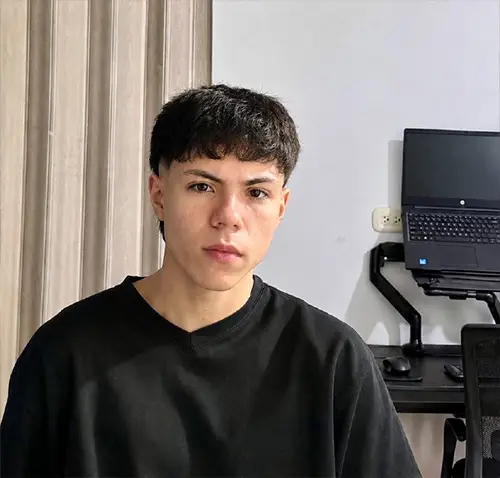
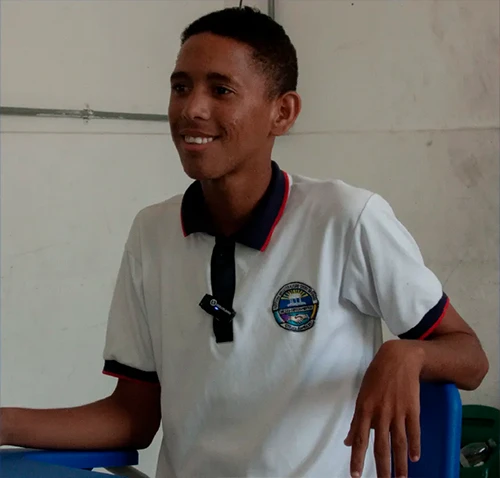
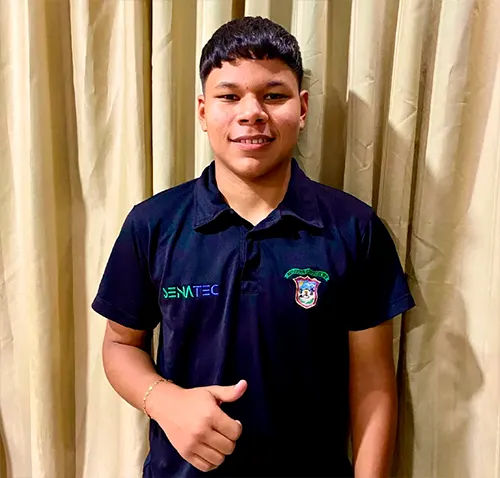
Question:Juan Felipe, how did this project change your life?
Answer: “I grew up in the countryside watching my parents work. With SENATIC I understood that the knowledge they inherited over many years could be turned into a real business. Now I want to continue studying technology and prove that rural youth can also innovate.”
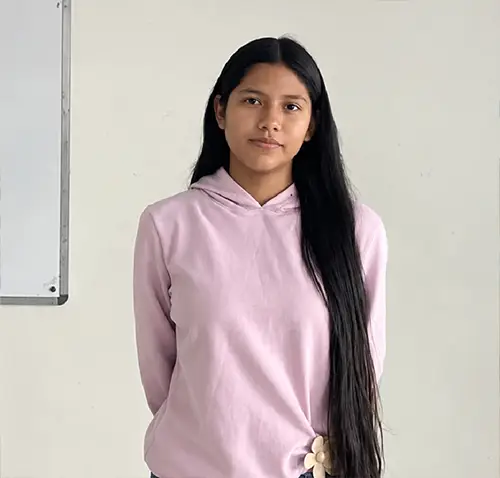
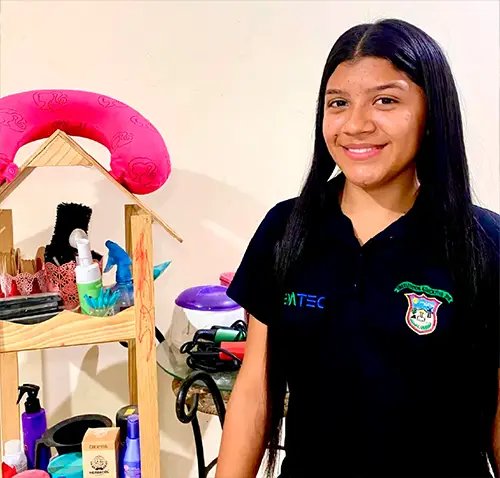
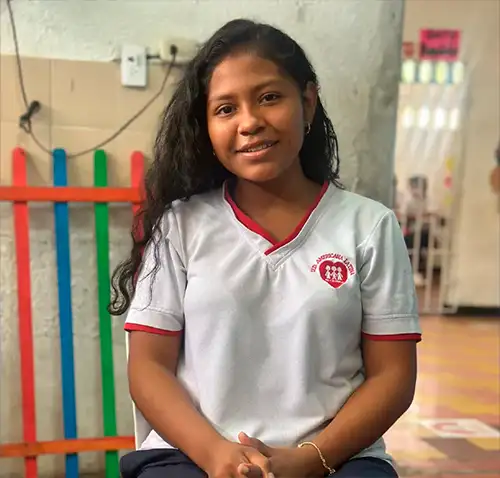
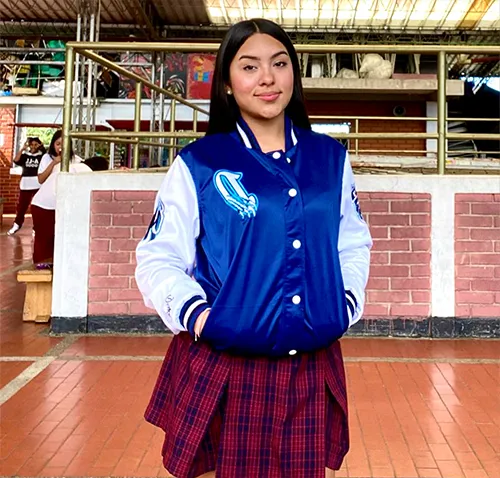
Completing the team is Isabella Hurtado Rivera. Quiet and patient, with the serenity of the countryside in her gaze, she has been essential in building the brand and ensuring the quality of the beans that now bring pride to Santa Rita, a hamlet in Santa Rosa de Cabal, where their product originates.
The teacher who returned to the rural classroom
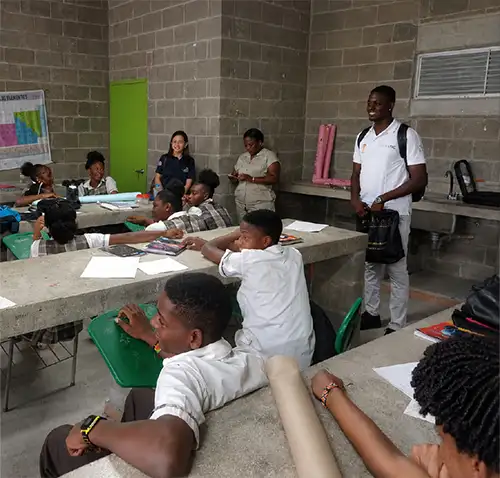
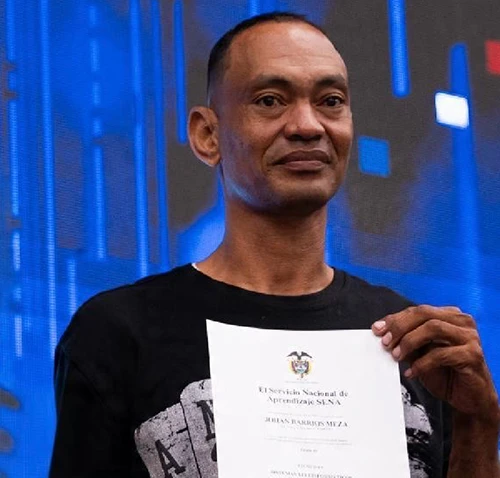
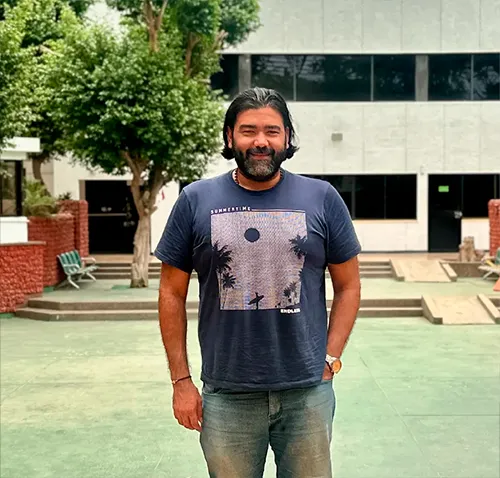
Behind these three young people stands a figure that drives them forward: their instructor, Manuel Buitrago. At just 27, he recalls when he himself was a SENA technical trainee the very path that later opened the doors to SENATIC. “I see myself reflected in them,” he says proudly.
“Without this project, closing the gap would have been nearly impossible, as they understood the potential of believing and innovating to bring about positive change.”, Manuel continues.
The spark that ignited their dream arose on an ordinary day, while they were chatting and laughing. A neighbour, Doña Johana, kindly approached and offered them what she jokingly called “a poor little coffee”. She was referring to the beans harvested and roasted on the same farm. The flavour was so exquisite that the young people were inspired to start their venture. That was the beginning of Artissan Café, an anagram of Santa Rita, their hamlet, and a brand that honours rural origins and farming effort.
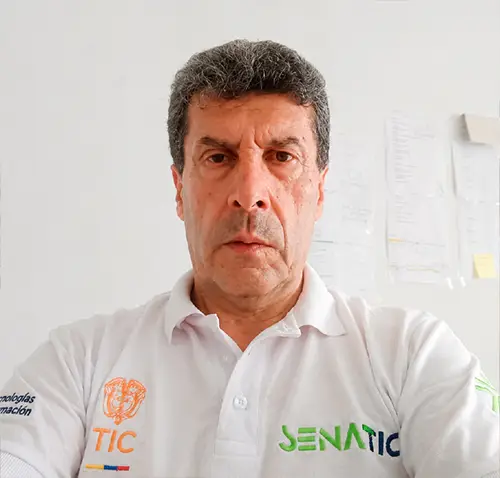
Question: Manuel, what lesson has this experience as a SENATIC instructor left you?
Answer: “That education changes destinies. These young people remind me that the classroom not only teaches, it also connects with life. Seeing them transform a humble cup of coffee into a project recognised even by the departmental governor is the best proof that SENATIC works.”
Artissan Café has transcended the classroom. The group has been invited to participate in various communication spaces, where they have shared their story as an example of rural innovation. Their experience has also been published in digital and regional media, becoming a reference of how technical training, supported by SENATIC, can transform young people’s lives and showcase farming talent on a national stage.
From Santa Rita to the department
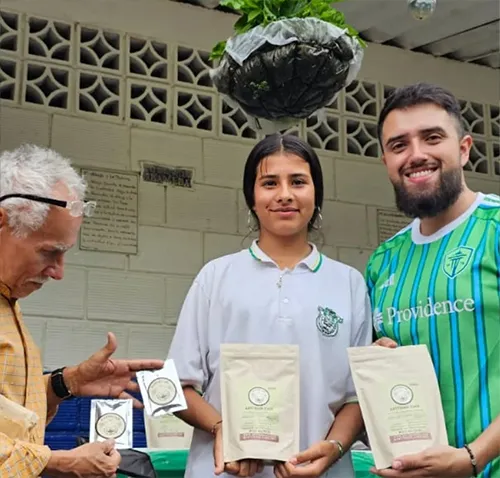
The echo of Artissan Café has travelled beyond the hamlet. Pedro Torres, head teacher of the Rural Welfare Education Centre, convinced of his students’ potential, suggested putting together a gift basket to send to the governor. A sample of the exquisite coffee reached the departmental leader, who was so impressed by its quality and aroma that he was inspired to support the construction of a 126 metre concrete track, now connecting five hamlets and facilitating transport of the product. The community came together, the local action committee backed the idea and, in just a month and a half, a collective dream became reality.
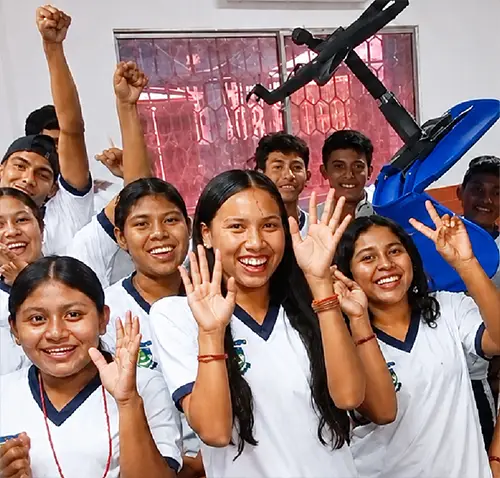
For Manuel Buitrago, software programming instructor, and his three committed trainees, that achievement is more than infrastructure: it is evidence that technical education, when linked to real life, opens paths that once seemed impossible to cross.
Artissan Café is not just a brand; it is the story of a community that found in SENATIC the key to transforming knowledge into opportunities. It also proves that technology and the countryside are not separate worlds, but allies when education brings them together.
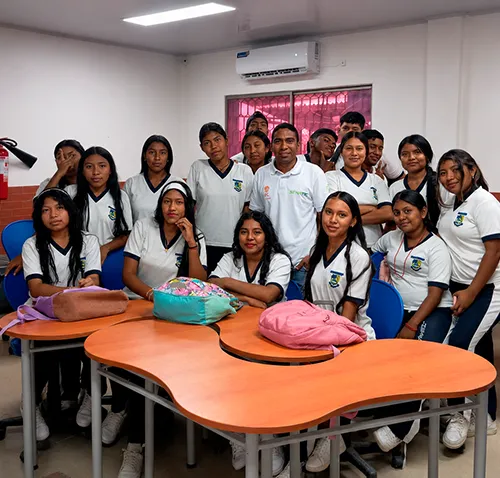
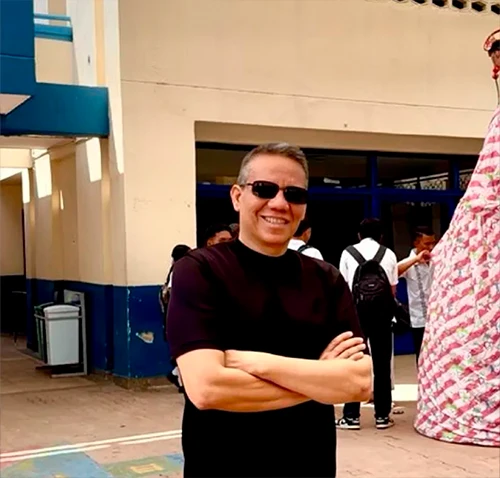
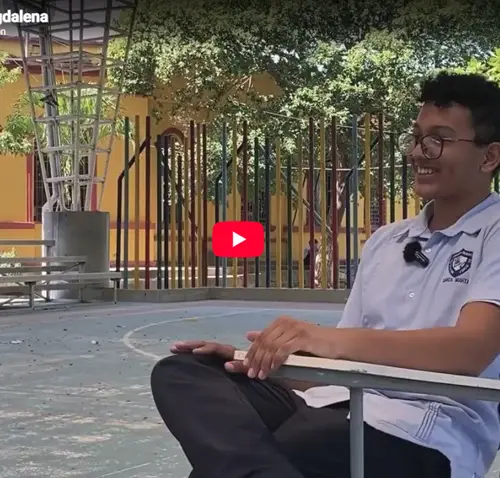
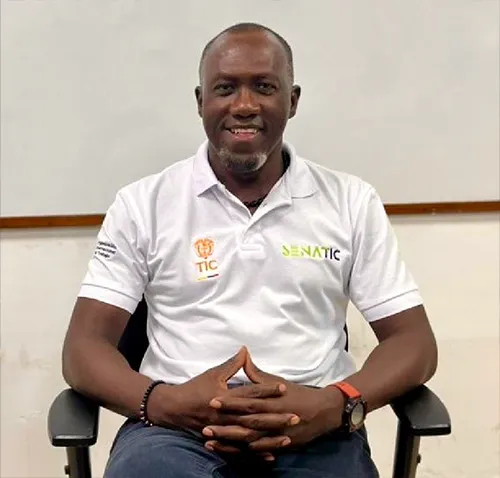
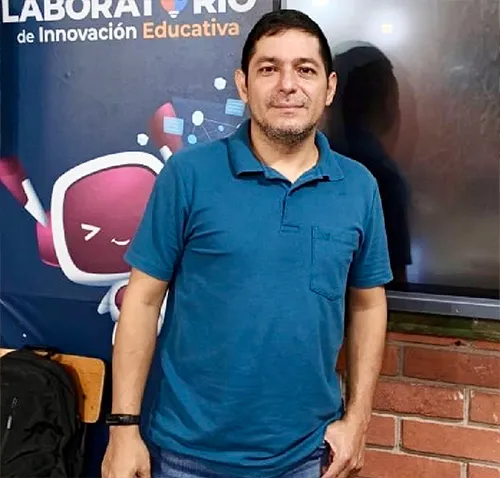
Pedro Torres, head teacher of the Santa Rita rural school, and Manuel Buitrago, instructor of the SENATIC project, accompanied by a learner.