ILO and Ministry of Labour strengthen the productive capacities of 24 collective reparation groups across Colombia
The programme supports communities affected by armed conflict through training, technical assistance, productive capacity-building and institutional coordination to help ensure sustainable livelihoods.
BOGOTÁ (GOYA News) – The International Labour Organization (ILO)in partnership with the Colombia’s Ministry of Labour, is advancing the implementation of the Collective Reparation Componenta strategy aimed at strengthening the productive capacities of 24 Collective Reparation Groups whose Comprehensive Collective Reparation Plans (Planes Integrales de Reparación Colectiva – PIRC) include measures to restore economic capacities affected by armed conflict. The initiative promotes training, technical support, business development and institutional coordination to help ensure the sustainability of their productive projects.
The programme adopts a participatory approach, supporting communities from the initial preparation and engagement phase through to the consolidation of sustainable productive activities. Its methodological framework includes socioeconomic assessments of each Collective Reparation Group, the participatory development of business and investment plans, comprehensive training, technical and productive support, and coordination with public-sector and community stakeholders to help ensure that these initiatives continue beyond the life of the project.
In 2026, the programme will reach 24 Collective Reparation Groups located in 18 municipalities across seven departments, con presencia en Antioquia, Caldas, Cauca, Cesar, Chocó, Nariño and Valle del Cauca.A nationwide process is also ongoing and remains at the consultation stage. Of the groups prioritised, 16 represent Indigenous and Afro-Colombian ethnic communitieswhile eight belong to non-ethnic communitieswhose organisational activities are primarily focused on agriculture, livestock and agro-industry.
A key component of the strategy is the socioeconomic assessment, which identifies each community’s strengths, needs and opportunities for improvement. This information provides the basis for developing 24 business plans and 24 investment plans, designed through participatory processes and aimed at strengthening the productive activities prioritised in each Comprehensive Collective Reparation Plan. The plans incorporate tools for strategic planning, financial management, marketing and digital marketing to improve the sustainability and competitiveness of community-led initiatives.

BOGOTÁ (GOYA News) – The International Labour Organization (ILO)in partnership with the Colombia’s Ministry of Labour, is advancing the implementation of the Collective Reparation Componenta strategy aimed at strengthening the productive capacities of 24 Collective Reparation Groups whose Comprehensive Collective Reparation Plans (Planes Integrales de Reparación Colectiva – PIRC) include measures to restore economic capacities affected by armed conflict. The initiative promotes training, technical support, business development and institutional coordination to help ensure the sustainability of their productive projects.
The programme adopts a participatory approach, supporting communities from the initial preparation and engagement phase through to the consolidation of sustainable productive activities. Its methodological framework includes socioeconomic assessments of each Collective Reparation Group, the participatory development of business and investment plans, comprehensive training, technical and productive support, and coordination with public-sector and community stakeholders to help ensure that these initiatives continue beyond the life of the project.
In 2026, the programme will reach 24 Collective Reparation Groups located in 18 municipalities across seven departments, con presencia en Antioquia, Caldas, Cauca, Cesar, Chocó, Nariño and Valle del Cauca.A nationwide process is also ongoing and remains at the consultation stage. Of the groups prioritised, 16 represent Indigenous and Afro-Colombian ethnic communitieswhile eight belong to non-ethnic communitieswhose organisational activities are primarily focused on agriculture, livestock and agro-industry.
A key component of the strategy is the socioeconomic assessment, which identifies each community’s strengths, needs and opportunities for improvement. This information provides the basis for developing 24 business plans and 24 investment plans, designed through participatory processes and aimed at strengthening the productive activities prioritised in each Comprehensive Collective Reparation Plan. The plans incorporate tools for strategic planning, financial management, marketing and digital marketing to improve the sustainability and competitiveness of community-led initiatives.
As part of its capacity-building efforts, the ILO is implementing a training programme based on qualification pathways and the recognition of prior learning. The curriculum covers the use of information and communication technologies in rural self-employment, socio-emotional skills, social cohesion, environmental sustainability, climate change adaptation and formal entrepreneurship for income generation.
This approach recognises the learning acquired in rural and community settings, helping to expand employment and self-employment opportunities for participating communities.

The programme also includes the implementation of 24 technical and productive support plans, through which specialists provide assistance to strengthen the organisational, productive and business capacities of each Collective Reparation Group. In parallel, plans for inter-institutional and community coordination are being developed to identify new partners, projects and opportunities that can consolidate the communities’ economic development.
Through this initiative, the ILO and the Ministry of Labour reaffirm their commitment to comprehensive reparation for communities affected by armed conflict. By strengthening their productive capacities and promoting local economic development, the programme seeks to support the creation of sustainable livelihoods, strengthen social cohesion and expand opportunities for decent work across the country.
This approach recognises the learning acquired in rural and community settings, helping to expand employment and self-employment opportunities for participating communities.

The programme also includes the implementation of 24 technical and productive support plans, through which specialists provide assistance to strengthen the organisational, productive and business capacities of each Collective Reparation Group. In parallel, plans for inter-institutional and community coordination are being developed to identify new partners, projects and opportunities that can consolidate the communities’ economic development.

Through this initiative, the ILO and the Ministry of Labour reaffirm their commitment to comprehensive reparation for communities affected by armed conflict. By strengthening their productive capacities and promoting local economic development, the programme seeks to support the creation of sustainable livelihoods, strengthen social cohesion and expand opportunities for decent work across the country.
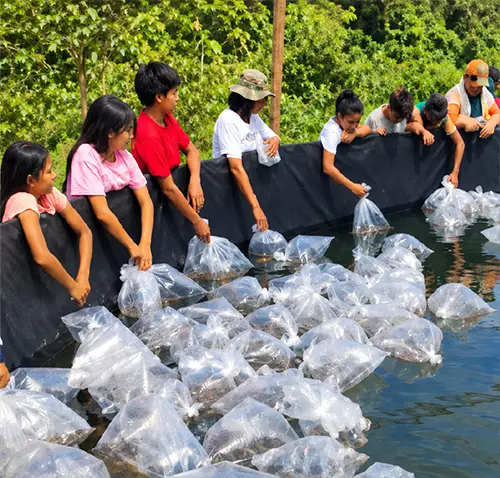
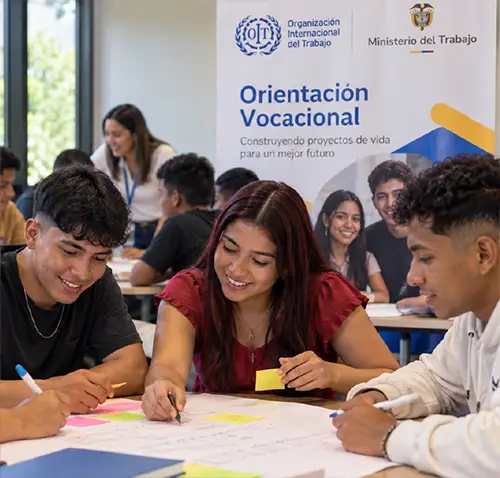
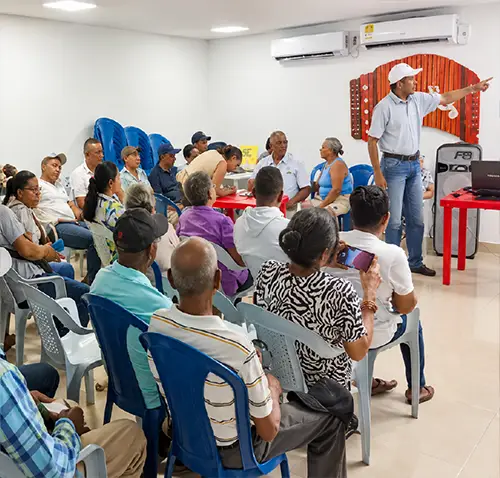
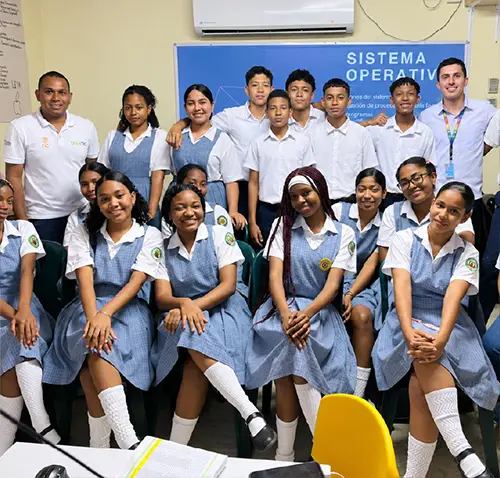
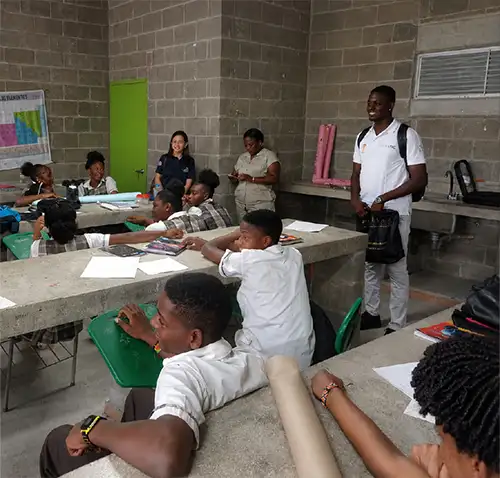
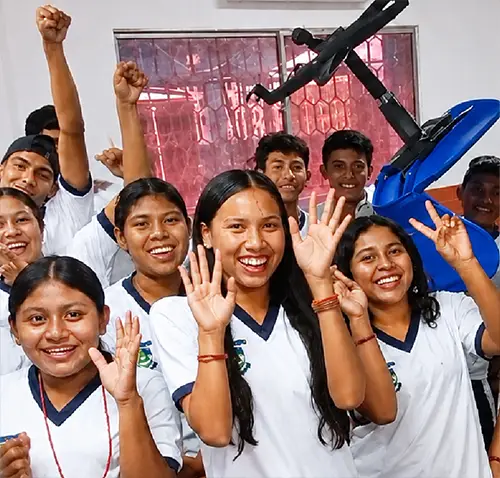
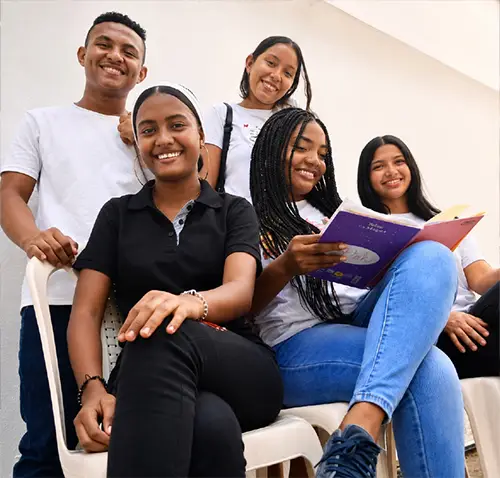
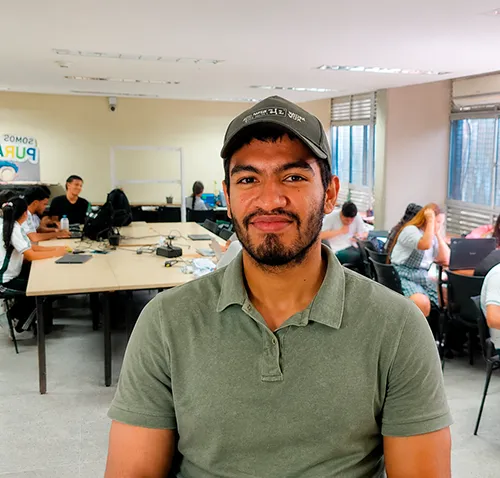
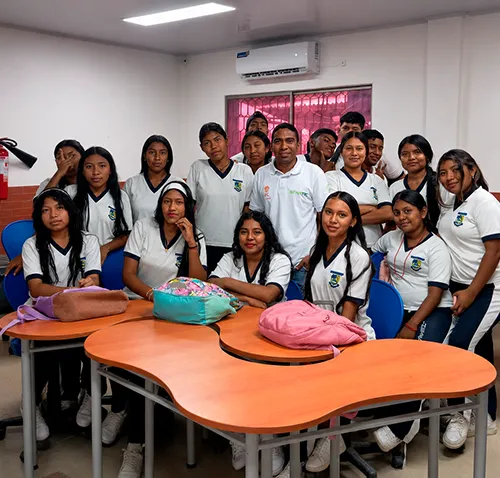
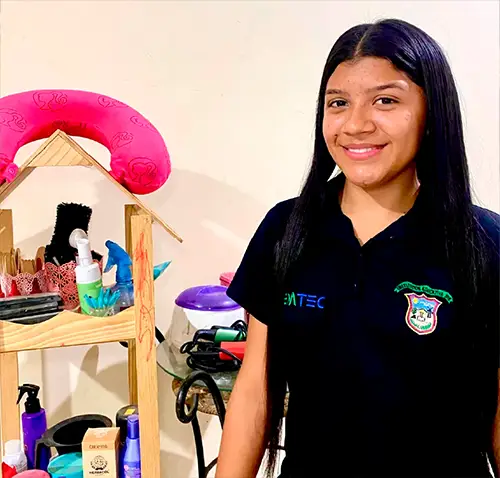
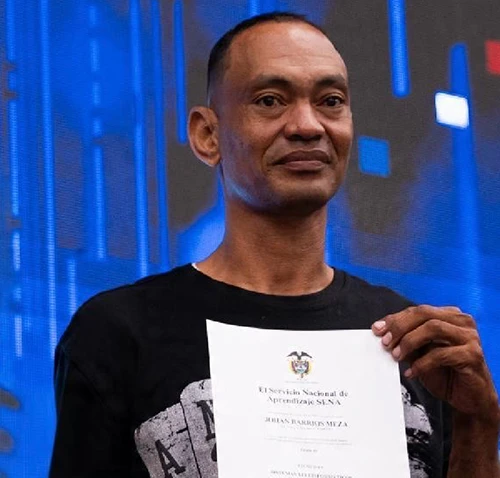
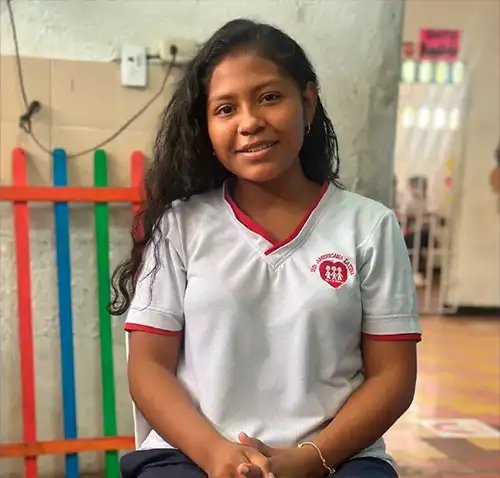
Members of a Collective Reparation Group take part in a training and productive capacity-building session led by the ILO and the Ministry of Labour.