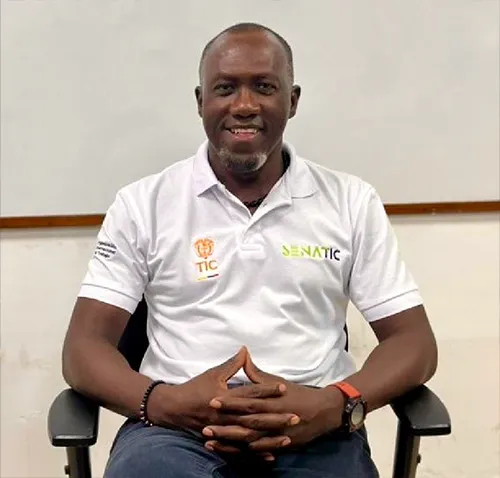
Henry Ruíz enseñar tecnología para fortalecer el futuro de la juventud rural en el departamento de Boyacá

Henry Ruíz: Teaching Technology to Strengthen the Future of Rural Youth in Boyacá

From rural educational institutions in Boyacá, Henry Ruíz supports students in developing digital skills that allow them to expand their opportunities without losing their connection to their communities.

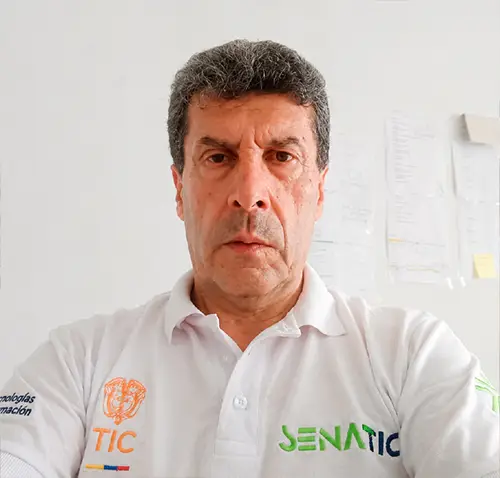
When Henry Ruíz remembers the moment when the first computers appeared in his life, he can still recall the curiosity those machines sparked in him—machines capable of transforming the way people learn, communicate and work. What began as an interest in discovering how technology worked eventually became a vocation that he now shares with hundreds of young people in rural areas of Boyacá.

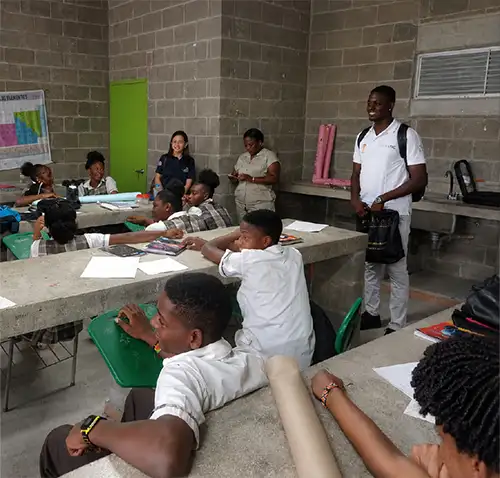
As a SENATIC instructor, he supports upper-secondary students in strengthening their digital skills, convinced that technology not only prepares them for new professions, but can also become a tool for promoting the development of the communities where they live.

This work is part of SENATIC, an initiative promoted by the Ministry of Information and Communications Technologies (MinTIC), SENA and the International Labour Organization (ILO) to strengthen the digital and technological skills of young people across the country. Through its Technical Secondary Education Articulation component, the programme has engaged more than 1,100 educational institutions in 28 of Colombia’s 32 departments, with more than 70,000 learners enrolled and more than 22,000 technical certifications awarded during its first cohort. In addition, female participation exceeds 45 per cent, reflecting progress towards greater inclusion of women in technology training.

Overall, SENATIC aims to train 302,000 people in digital and IT skills, while more than 691,000 people have already strengthened their digital skills through the programme and more than 621,000 citizens have received training through short courses in technical and soft skills.

A Calling Born with Technology


Henry was born and raised in Tunja. He completed his studies there and later enrolled at the Pedagogical and Technological University of Colombia (UPTC), where he earned a Bachelor’s Degree in Computer Science and Technology. Although at one point he imagined a different professional path, it was advice from his father that changed the course of his life.

“Today I can say that it was one of the best pieces of advice I have ever received,” he recalls when speaking about his decision to study computer science.

His interest in learning has never stopped. In addition to his university education, he has pursued studies related to data analysis, robotics and other technological fields, convinced that teachers must also remain committed to continuous learning and professional development.


More Than Teaching Technology


For Henry, teaching goes far beyond explaining technical content. He believes that trust, closeness and dialogue with students are essential parts of the learning process.

“I always try to make my classes engaging, dynamic and enjoyable. Young people greatly value this human approach, and that is also part of learning,” he explains.

This approach has been particularly important in the rural institutions where he works. There, he encounters young people with diverse aspirations. Some want to continue their studies in technology-related fields; others imagine their future in agriculture, transportation or traditional activities in their municipalities.

For Henry, both paths are compatible with digital skills.

Technology to Strengthen Rural Communities


One of his main goals is to show that innovation can also contribute to rural development.
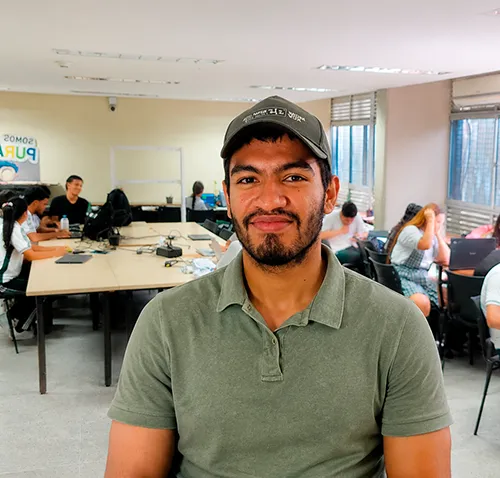
In his Digital Content Integration and Computer Systems classes, students explore tools that they can apply to projects related to agriculture, tourism, production and local entrepreneurship.

One of the examples that inspires him most is a group of students from the municipality of Toca who decided to promote tourism in their territory through videos, blogs and digital content.
“Technology allowed them to discover new ways of showcasing the richness of their municipality and contributing to its development,” he says.

For him, experiences like this demonstrate that learning about technology does not mean becoming disconnected from one’s territory, but rather finding new ways to strengthen it.

Learning to Transform Communities


Henry is convinced that digital tools can help young people expand their opportunities without giving up their roots.

That is why he encourages other instructors to provide particular support to those living in rural areas, where access to these skills can make an important difference in their educational and employment trajectories. He also considers it essential for students to understand the true potential of emerging technologies such as artificial intelligence.

“It is not simply about completing a task more quickly. What matters is learning to use these tools to create, innovate and develop solutions,” he says.

Looking to the Future with New Tools


As he continues to strengthen his own professional development, Henry remains motivated by the same purpose that led him to become a teacher: sharing knowledge and supporting young people as they build their life plans.

Whenever he sees a student use technology to solve a problem in their community, he is reminded that education can become a tool for transformation.

“When they connect technology with the needs of their territory, they understand that learning also means creating opportunities for themselves and for those around them,” he concludes.

His story shows that digital skills not only prepare young people for the jobs of the future. They can also strengthen the present of rural communities, foster local innovation and expand opportunities for new generations to build a more inclusive future with decent work.
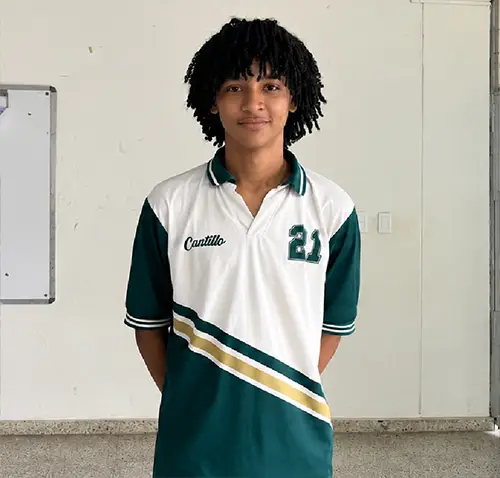
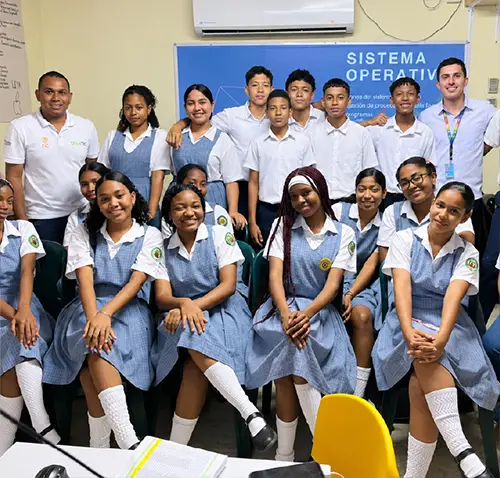
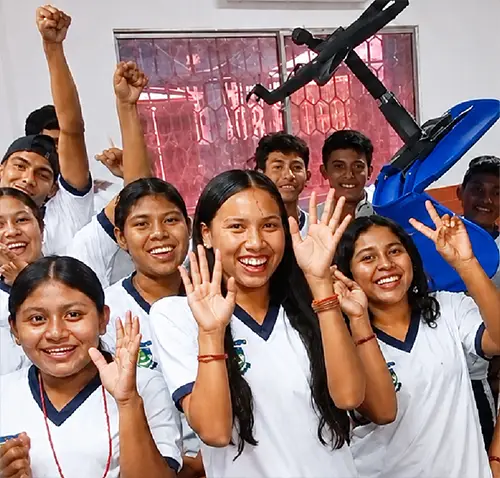
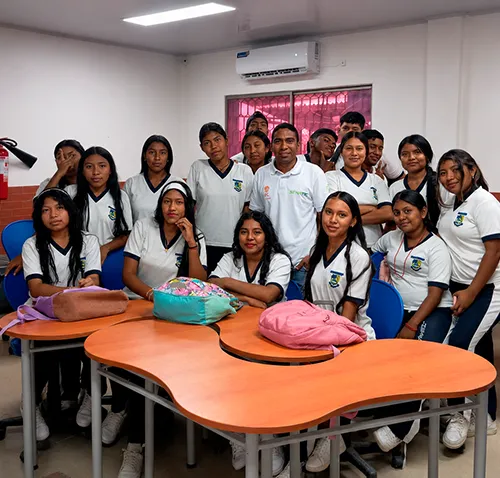
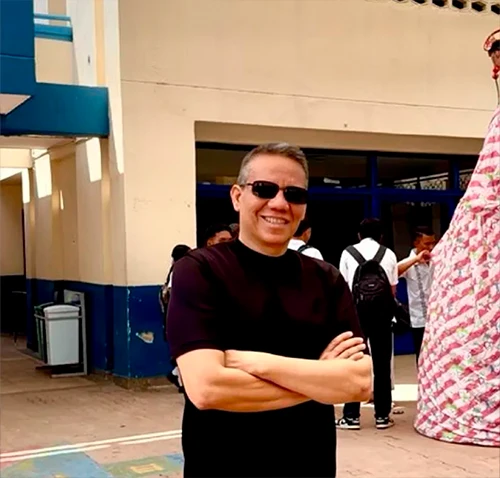
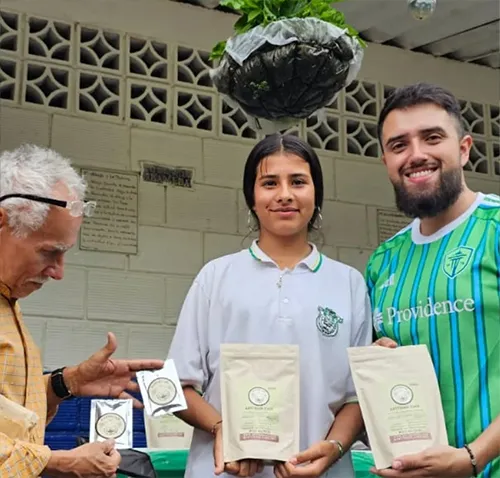
Henry Ruíz instructor de SENATIC con un grupo de estudiantes de educación media posan frente a un edificio escolar

Henry Ruíz, SENATIC instructor in Boyacá, supports students at the Panamericano Puente de Boyacá educational institution in developing digital skills that strengthen their opportunities for education, innovation and community development.
Scroll to Top