Jairo Castro: Bringing digital skills to Wayuu communities to expand opportunities for Indigenous youth
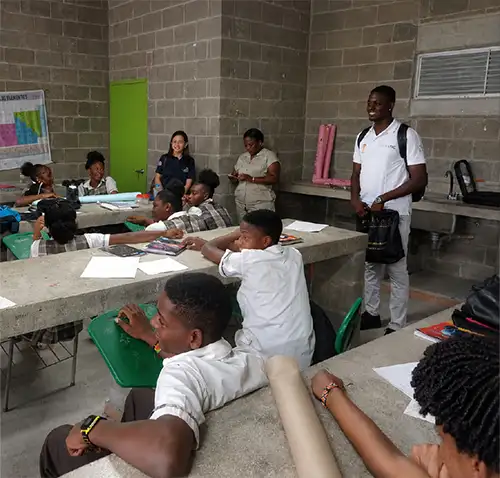
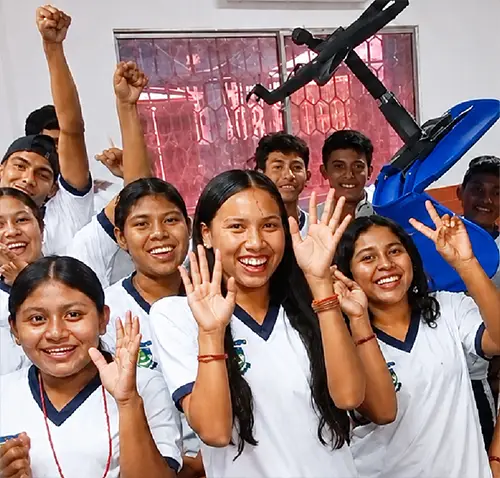
From Manaure, La Guajira, SENATIC instructor Jairo Castro supports students from Wayuu Indigenous communities in developing digital skills that strengthen their opportunities for learning, employment and entrepreneurship.
When Jairo de Jesús Castro Ospino talks about technology, he does not think only about computers, programming or applications. He thinks about opportunities. Every class he teaches in two ethnically focused educational institutions in Manaure represents a chance for more young people to discover tools that can help them build their future.
As a SENATIC instructor, he works with Wayuu students who, in many cases, have limited access to digital technologies. For Jairo, teaching them goes far beyond explaining how a software application works—it means opening new pathways for their personal and professional development.
His work is part of SENATIC, an initiative led by Colombia’s Ministry of Information and Communication Technologies (MinTIC), the National Learning Service (SENA) and the International Labour Organization (ILO) to strengthen the digital skills of upper secondary technical education students and support their transition to higher education and the world of work.
The initiative currently reaches more than 1,100 educational institutions participating in the Upper Secondary Technical Education Articulation programme, has enrolled over 70,000 learners and has awarded more than 22,000 technical certifications during the first cohort of its integrated training programme, helping thousands of young people develop skills aligned with the needs of the digital economy.
Jairo was born in Plato, Magdalena, but has lived in La Guajira for more than two decades—a region he now considers home.
His interest in technology began at an early age. He first completed courses in computer networking and computer maintenance before earning a degree in Systems Engineering from the University of La Guajira.
"Technology has always fascinated me. I was drawn to programming, computers and everything related to innovation," he says.
Before joining SENATIC, he worked for technology companies, primarily in technical support and warranty services. However, it was his experience as an educator that ultimately shaped his professional path.
"I realized that teaching technology was the path I truly wanted to pursue."
Jairo learned about SENATIC through a colleague who was already involved in the project. The initiative's mission to strengthen the digital skills of upper secondary technical education students immediately caught his attention, and he decided to apply to become part of the first cohort of instructors.
Being part of this pioneering group has allowed him to support learning processes that are now delivering tangible results.
Last year alone, he helped nearly 80 students earn their certifications—an experience that, he says, confirmed the impact technology education can have when it responds to the needs and aspirations of young people.
Today, he teaches the Teleinformatics Systems programme at two ethnically focused educational institutions in Manaure. There, he has encountered a unique reality: for many students, these classes represent their very first experience with digital tools.
"In many cases, we have to begin with the very basics, but the enthusiasm they show while learning reveals the tremendous potential they have," he explains.

When Jairo de Jesús Castro Ospino talks about technology, he does not think only about computers, programming or applications. He thinks about opportunities. Every class he teaches in two ethnically focused educational institutions in Manaure represents a chance for more young people to discover tools that can help them build their future.
As a SENATIC instructor, he works with Wayuu students who, in many cases, have limited access to digital technologies. For Jairo, teaching them goes far beyond explaining how a software application works—it means opening new pathways for their personal and professional development.
His work is part of SENATIC, an initiative led by Colombia’s Ministry of Information and Communication Technologies (MinTIC), the National Learning Service (SENA) and the International Labour Organization (ILO) to strengthen the digital skills of upper secondary technical education students and support their transition to higher education and the world of work.
The initiative currently reaches more than 1,100 educational institutions participating in the Upper Secondary Technical Education Articulation programme, has enrolled over 70,000 learners and has awarded more than 22,000 technical certifications during the first cohort of its integrated training programme, helping thousands of young people develop skills aligned with the needs of the digital economy.
A vocation driven by technology
Jairo was born in Plato, Magdalena, but has lived in La Guajira for more than two decades—a region he now considers home.
His interest in technology began at an early age. He first completed courses in computer networking and computer maintenance before earning a degree in Systems Engineering from the University of La Guajira.
"Technology has always fascinated me. I was drawn to programming, computers and everything related to innovation," he says.
Before joining SENATIC, he worked for technology companies, primarily in technical support and warranty services. However, it was his experience as an educator that ultimately shaped his professional path.
"I realized that teaching technology was the path I truly wanted to pursue."
Teaching where technology is still finding its way
Jairo learned about SENATIC through a colleague who was already involved in the project. The initiative's mission to strengthen the digital skills of upper secondary technical education students immediately caught his attention, and he decided to apply to become part of the first cohort of instructors.
Being part of this pioneering group has allowed him to support learning processes that are now delivering tangible results.
Last year alone, he helped nearly 80 students earn their certifications—an experience that, he says, confirmed the impact technology education can have when it responds to the needs and aspirations of young people.
Today, he teaches the Teleinformatics Systems programme at two ethnically focused educational institutions in Manaure. There, he has encountered a unique reality: for many students, these classes represent their very first experience with digital tools.
"In many cases, we have to begin with the very basics, but the enthusiasm they show while learning reveals the tremendous potential they have," he explains.

Learning by doing
Jairo's classes rarely focus on theory alone. Instead, he brings learning to life through hands-on activities such as computer maintenance, installing security cameras and practical exercises that demonstrate how technology is applied in everyday situations.

His goal is for every lesson to have an immediate and meaningful purpose. Over time, he has watched his students begin to discover new possibilities.

They learn to use digital applications, make video calls, explore e-commerce platforms and understand that these tools can become pathways to further education, entrepreneurship and better employment opportunities.

Technology to broaden horizons
For Jairo, the greatest value of training lies not only in teaching students how to use a technological tool.
He is convinced that developing digital skills strengthens young people's confidence and expands their opportunities for the future, regardless of the career path they choose. "More than teaching them how to use a software application, I feel that we are opening a door for them," he says.
Looking back, Jairo recognizes that the early stages of the project were filled with challenges, but also with learning and strong collaboration among instructors. Today, he takes pride in seeing hundreds of students begin to build new aspirations and opportunities through the training they have received.
"What we do in the classroom goes beyond developing technical skills; it also helps build a better future for our students and for the country," he concludes.
For the ILO, initiatives such as SENATIC demonstrate how strengthening digital skills can help more young people develop the capabilities they need to access lifelong learning, employment and entrepreneurship opportunities, while promoting pathways to decent work in an increasingly digital economy.
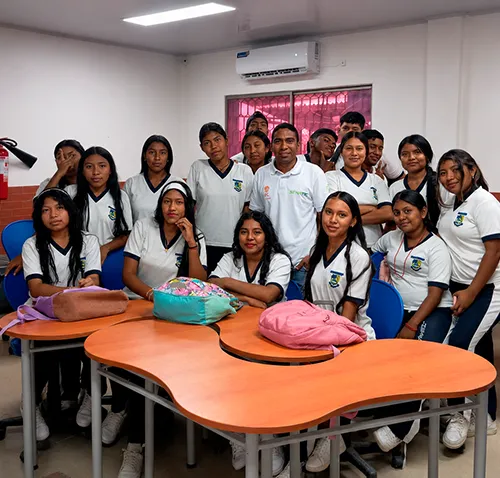
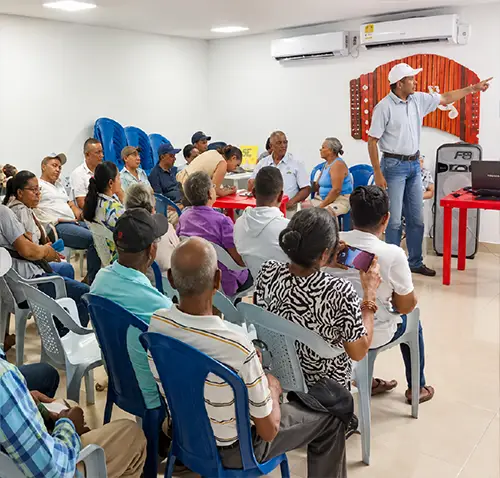
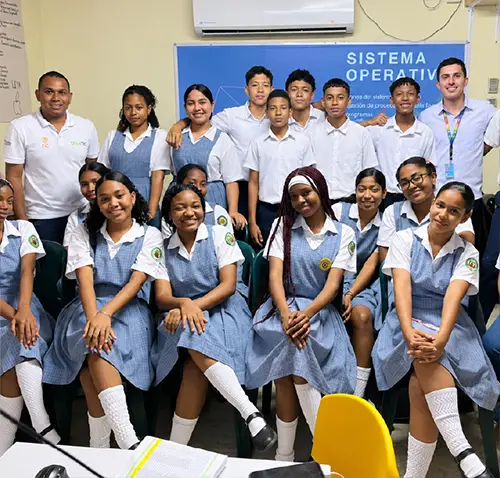
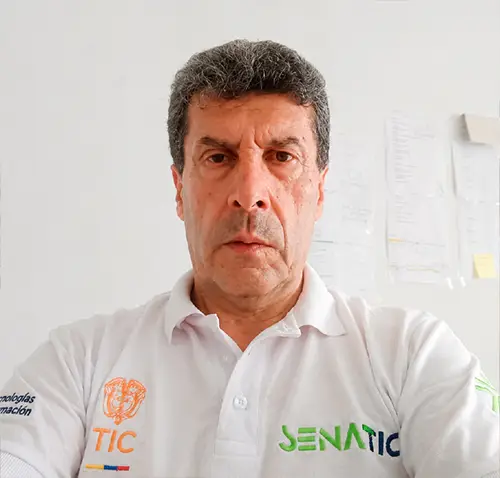
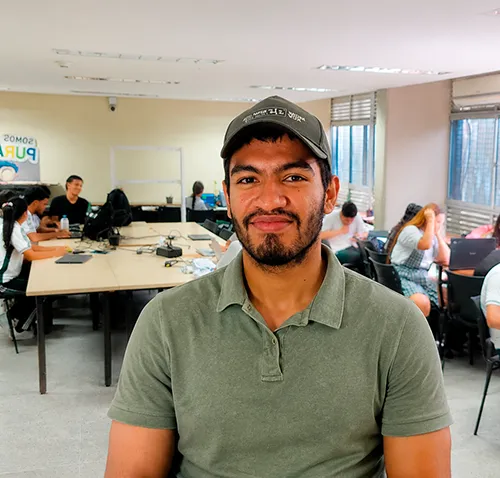
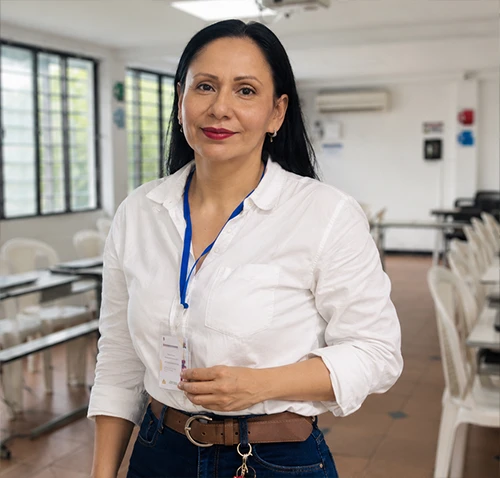
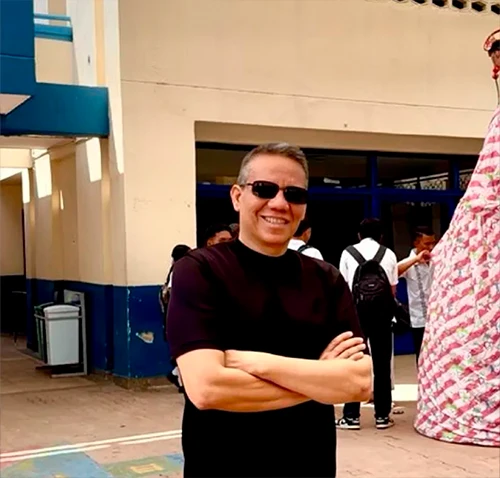
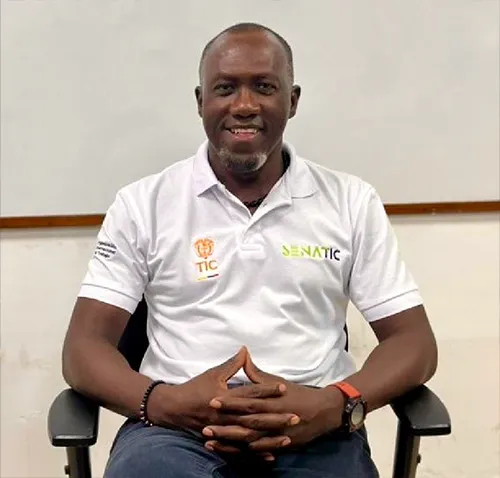
Jairo de Jesús Castro Ospino, a SENATIC instructor, delivers digital skills training to students at ethnically focused educational institutions in Manaure, La Guajira, strengthening their opportunities for learning and preparing them for the world of work.