ILO and Ministry of Labour launch programme to strengthen rural self-employment for 508 families affected by armed conflict
The programme aims to support rural families in strengthening their productive capacities, recognising their knowledge and skills, and developing income-generating initiatives.
BOGOTÁ (GOYA News) – The International Labour Organization (ILO), in coordination with Colombia’s Ministry of Labourhas launched the Rural Self-Employment Programme, an initiative designed to strengthen the productive capacities, work-related skills and income-generating opportunities of 508 families affected by armed conflict across eight priority areas of the country. The programme began on 14 September 2026 and seeks to help create sustainable employment opportunities and promote economic inclusion at the local level.
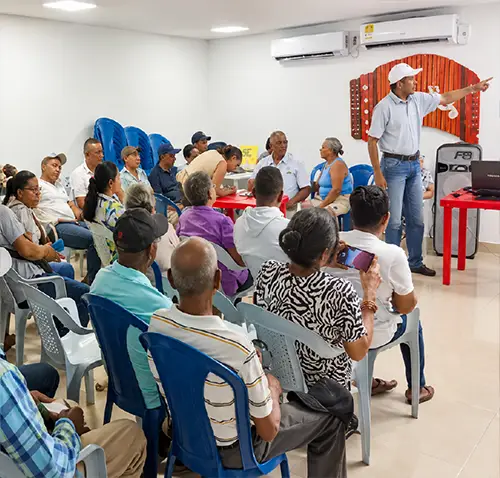
The programme provides training and comprehensive support, recognising the productive potential and capacities of participating families, as well as the economic dynamics specific to each territory. The initiative is being implemented in coordination with community-based organisations, public institutions and other strategic stakeholders, promoting responses tailored to local needs.
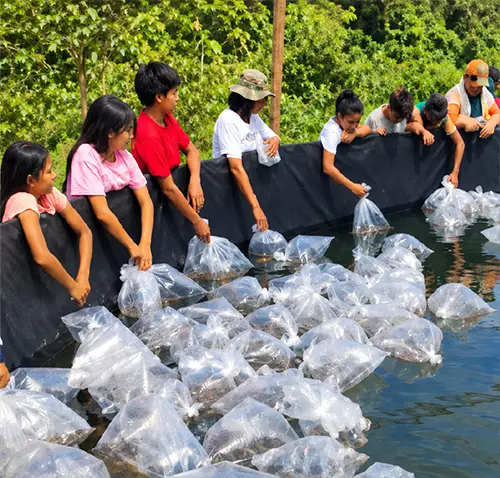
Activities include training, technical assistance and ongoing support to strengthen agricultural, livestock, commercial and service-based productive initiatives. A team of professionals accompanies the families throughout the process, helping them develop skills that can improve their income-generating opportunities and enhance the sustainability of their productive projects.
The programme will reach 39 families in Apartadó (Antioquia); 150 families in the El Níspero Community Council in María La Baja (Bolívar); 40 families in the Los Manglares Community Council in López de Micay (Cauca); 75 families in the San Agustín de Terrón Community Council and 50 families in the Sivirú Community Council, both in Bajo Baudó (Chocó); 60 families in the Cocotrumete Community Council in Riosucio (Chocó); 40 families in the Río Yurumanguí Community Council in Buenaventura (Valle del Cauca); and 54 families in Fonseca (La Guajira).
A central component of the programme is its territorial, participatory and differentiated approach, which recognises the social, cultural and economic characteristics of each community. This approach encourages the joint development of solutions, strengthens institutional coordination and promotes processes that respond to the realities of each territory.

BOGOTÁ (GOYA News) – The International Labour Organization (ILO), in coordination with Colombia’s Ministry of Labourhas launched the Rural Self-Employment Programme, an initiative designed to strengthen the productive capacities, work-related skills and income-generating opportunities of 508 families affected by armed conflict across eight priority areas of the country. The programme began on 14 September 2026 and seeks to help create sustainable employment opportunities and promote economic inclusion at the local level.
The programme provides training and comprehensive support, recognising the productive potential and capacities of participating families, as well as the economic dynamics specific to each territory. The initiative is being implemented in coordination with community-based organisations, public institutions and other strategic stakeholders, promoting responses tailored to local needs.
Activities include training, technical assistance and ongoing support to strengthen agricultural, livestock, commercial and service-based productive initiatives. A team of professionals accompanies the families throughout the process, helping them develop skills that can improve their income-generating opportunities and enhance the sustainability of their productive projects.
The programme will reach 39 families in Apartadó (Antioquia); 150 families in the El Níspero Community Council in María La Baja (Bolívar); 40 families in the Los Manglares Community Council in López de Micay (Cauca); 75 families in the San Agustín de Terrón Community Council and 50 families in the Sivirú Community Council, both in Bajo Baudó (Chocó); 60 families in the Cocotrumete Community Council in Riosucio (Chocó); 40 families in the Río Yurumanguí Community Council in Buenaventura (Valle del Cauca); and 54 families in Fonseca (La Guajira).
A central component of the programme is its territorial, participatory and differentiated approach, which recognises the social, cultural and economic characteristics of each community. This approach encourages the joint development of solutions, strengthens institutional coordination and promotes processes that respond to the realities of each territory.
Sustainability is another key pillar of the initiative. To this end, the programme promotes coordination mechanisms involving public institutions, community-based organisations, productive associations and other strategic stakeholders. These efforts aim to complement existing initiatives, strengthen local capacities and create the conditions needed for productive projects to continue beyond the conclusion of the support provided by the ILO and the Ministry of Labour.

Through this initiative, the ILO and the Ministry of Labour reaffirm their commitment to strengthening work-related capacities, expanding income-generating opportunities and promoting territorial development. The programme seeks to contribute to improved living conditions for participating families and to the development of sustainable livelihoods in rural communities.
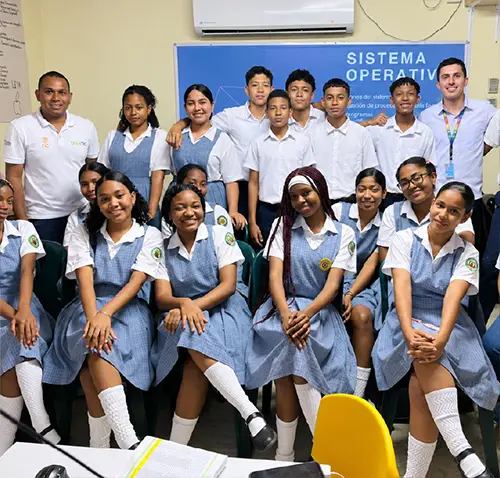
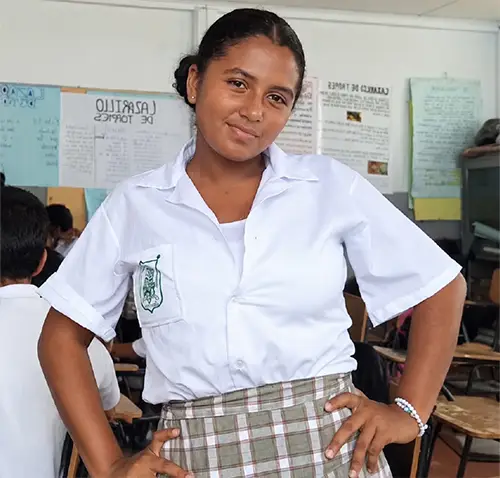
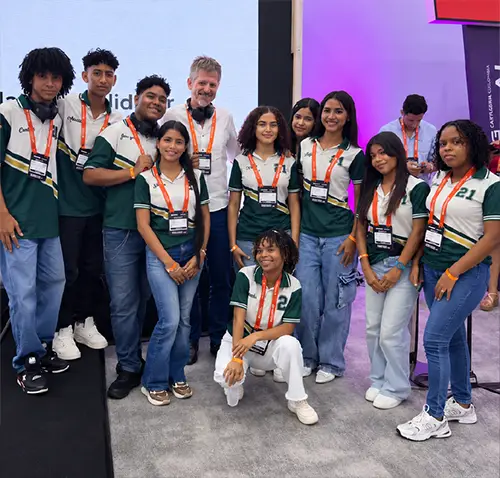
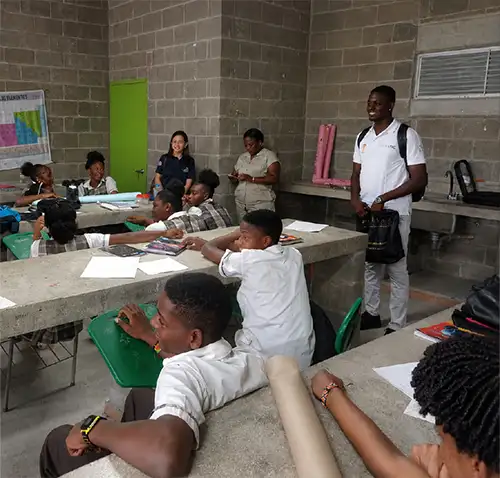
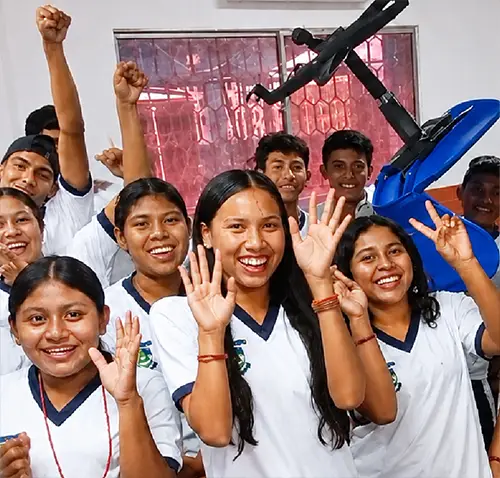
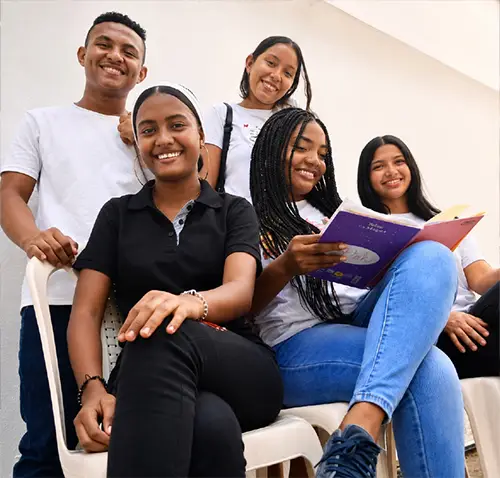
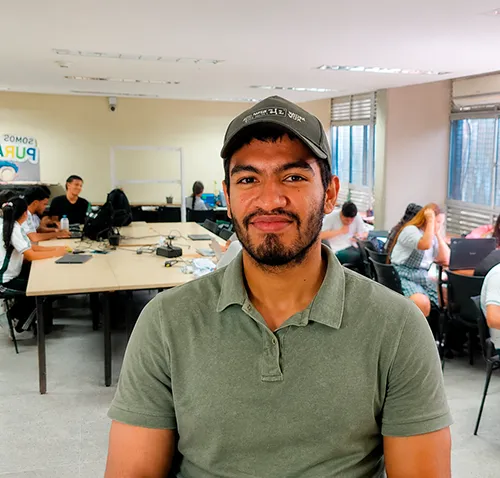
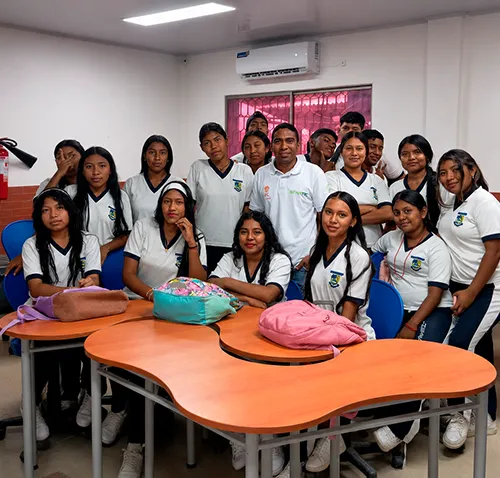
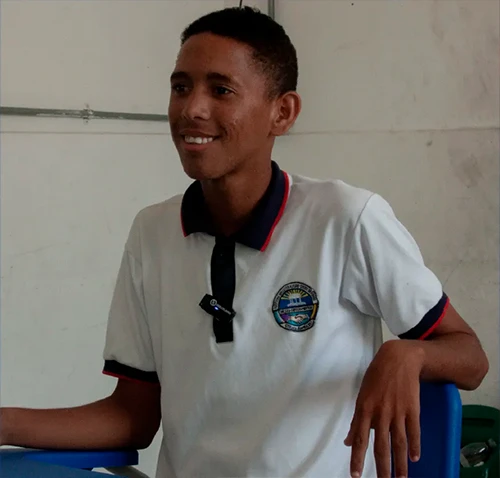
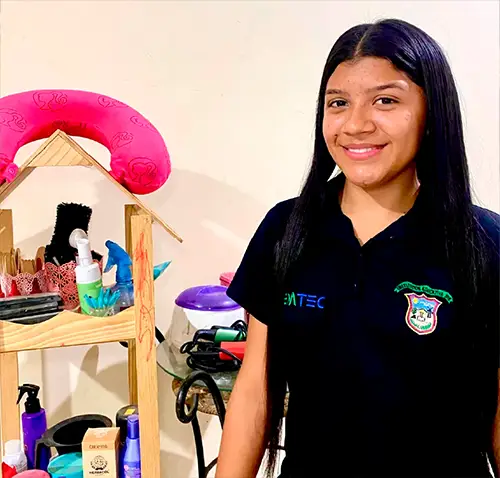
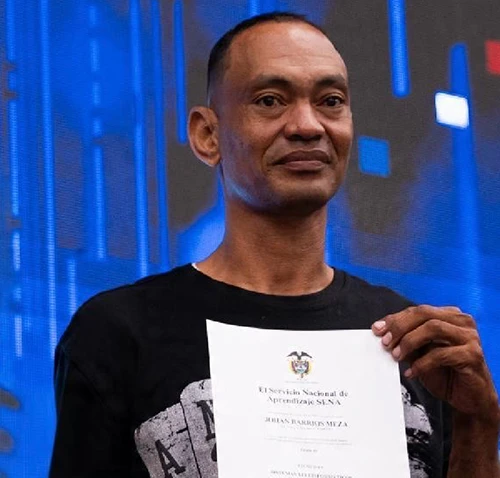
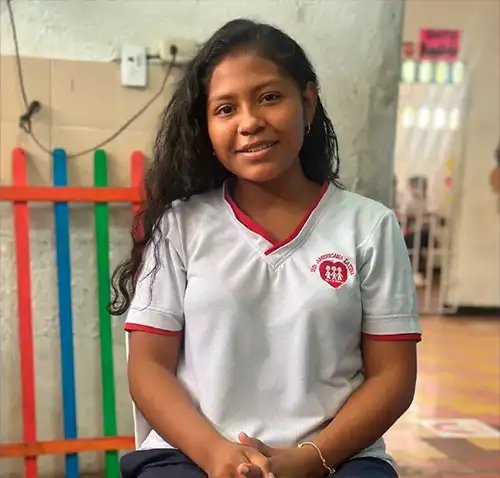
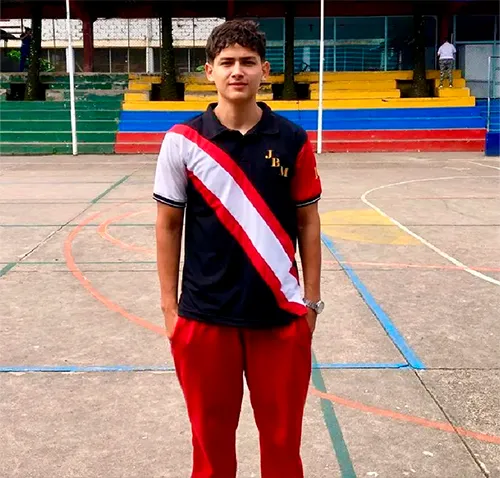
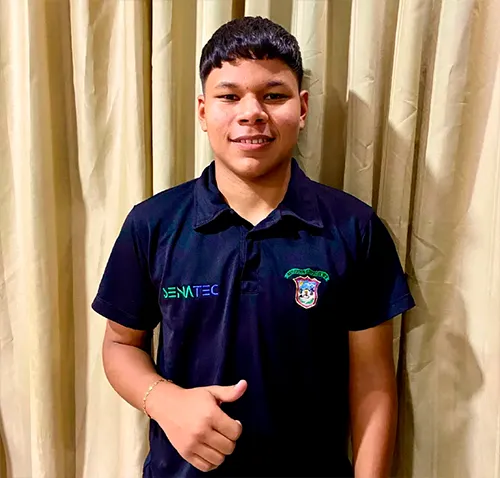
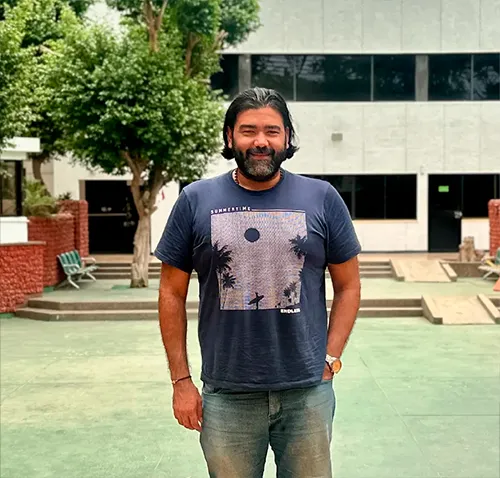
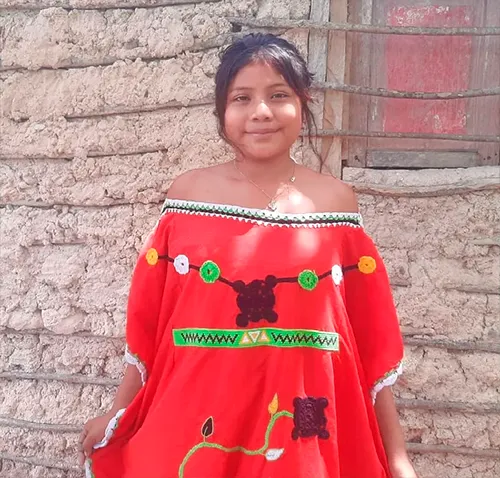
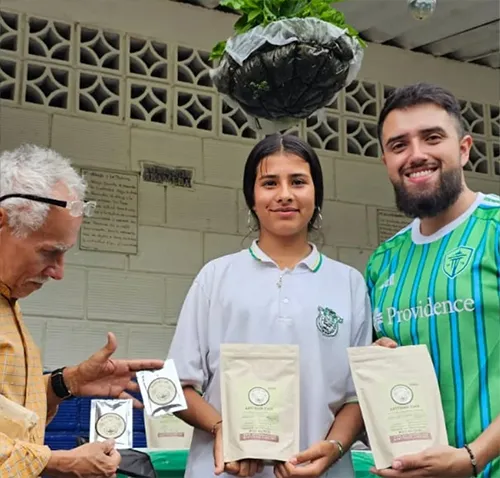
Families participating in the Rural Self-Employment Programme receive training and technical assistance to strengthen their productive initiatives in different parts of Colombia.