From San Andrés island, lives are being transformed through technology and an ILO backed project
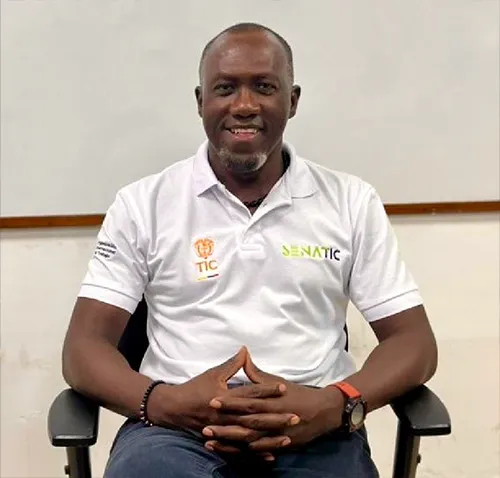
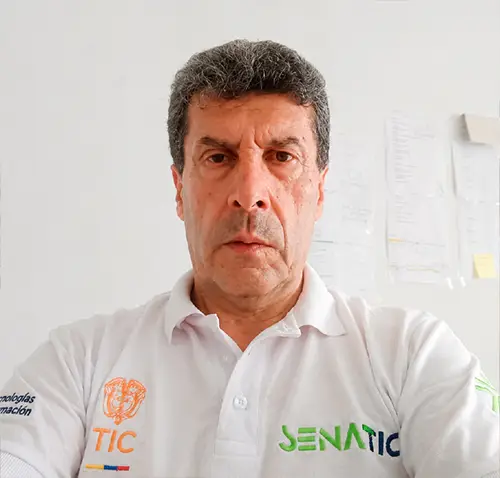
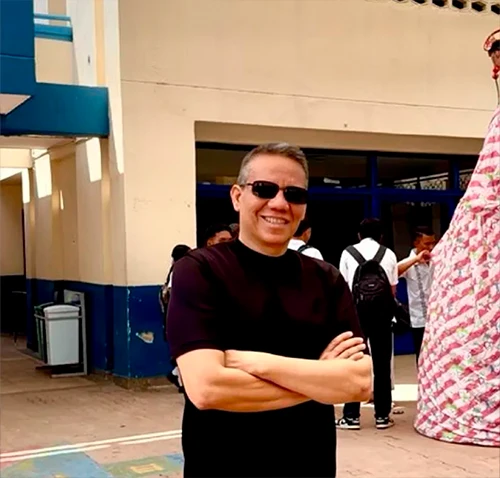
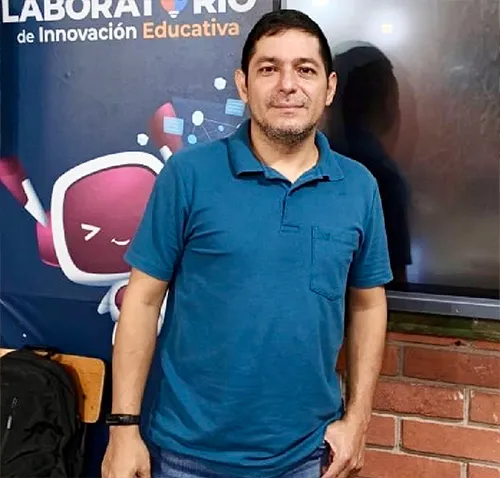
This is the case of Keyn Manuel Martínez, who guides his eleventh grade students along the path of technical education, creatively tackling the challenges of language, exclusion, and the geographical distance between the archipelago and the mainland. As an instructor in the SENATIC project, his work is also an act of resistance and love for his Raizal heritage.
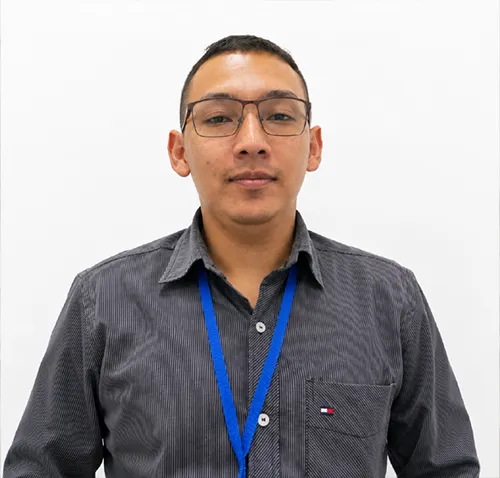
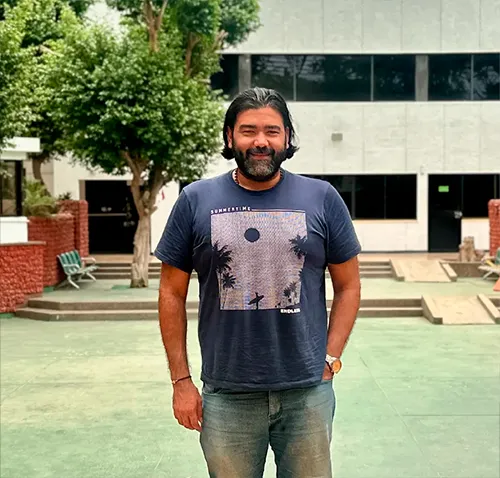
San Andrés is open sea, warm wind and vibrant culture. It echoes with Creole, the joy of calypso, the scent of coconut, and the story of a people who have long resisted being forgotten. It is on this island in the Colombian archipelago where Keyn Manuel Martínez works an educator who has made teaching a commitment to his community.
Keyn was born 52 years ago in San Andrés, the youngest of seven siblings in a Raizal family that instilled in him pride in his identity and the importance of striving to move forward. Thanks to his parents’ sacrifices, he had the opportunity to leave the island in 1994 to study in Bogotá a tough experience due to cultural differences and the climate, but one that marked the beginning of his vocational path. He trained as a teacher at the CIDCA University and lived in the capital with the support of a brother who had settled there thanks to his basketball skills.
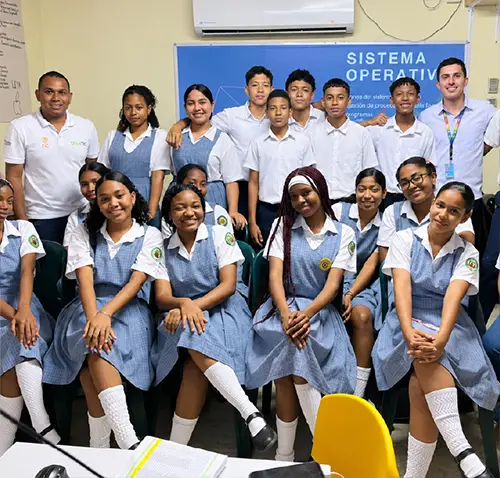
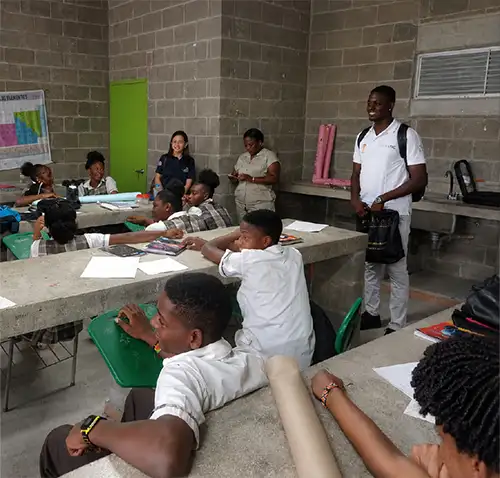
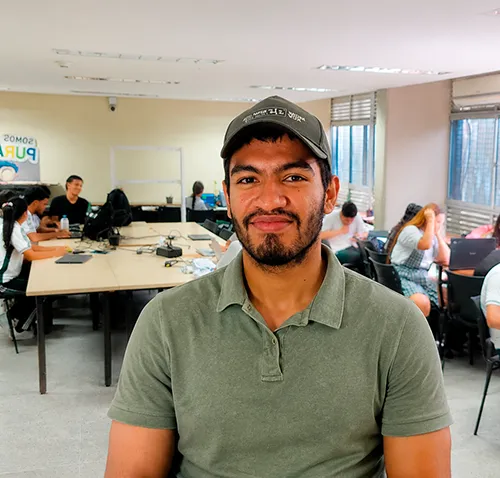
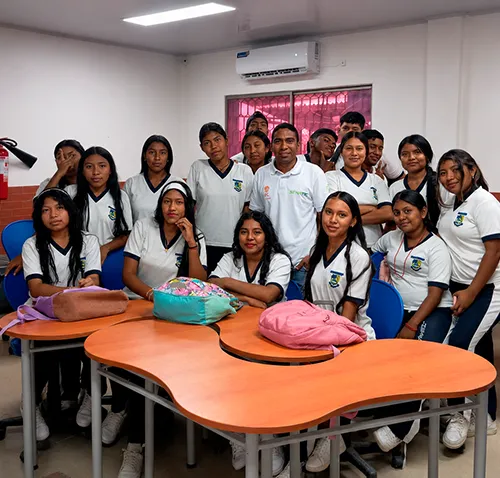
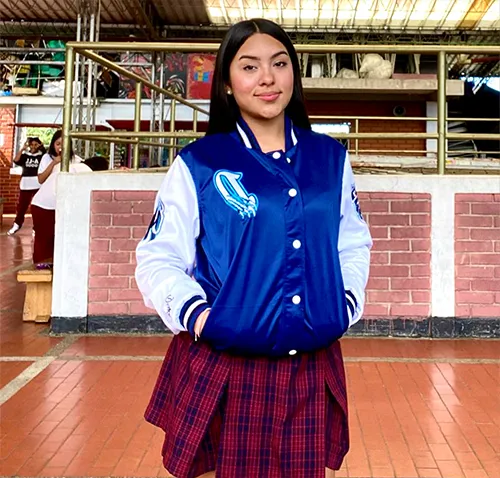
Although he never imagined becoming a teacher, once he began the profession, he never looked back. “There’s no more beautiful profession than this. Teaching means opening paths where there were none,” he says, from a classroom at the Antonia Santos Educational Institute, where he currently trains 47 students as part of the SENATIC project. “No hay profesión más bella que esta. Enseñar es abrir caminos donde no los hay”, dice, desde un aula del Instituto Educativo Antonia Santos, donde actualmente forma a 47 aprendices en el marco del proyecto SENATIC.
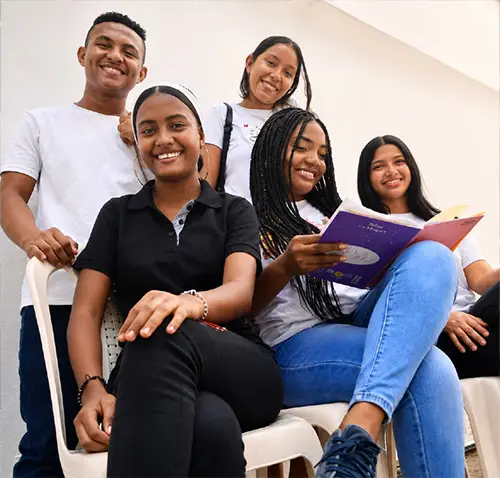
After returning to his island, he worked with SENA and at several schools, but his desire to contribute to his community kept him anchored to the archipelago. Since then, he has witnessed major changes in connectivity the island was once technologically isolated, but the arrival of a submarine cable opened up new possibilities. However, access to higher education remains limited, and many young people are uncertain about their future. That is where SENATIC has become a unique opportunity.
San Andrés is open sea, warm wind and vibrant culture. It echoes with Creole, the joy of calypso, the scent of coconut, and the story of a people who have long resisted being forgotten. It is on this island in the Colombian archipelago where Keyn Manuel Martínez works an educator who has made teaching a commitment to his community.
Keyn was born 52 years ago in San Andrés, the youngest of seven siblings in a Raizal family that instilled in him pride in his identity and the importance of striving to move forward. Thanks to his parents’ sacrifices, he had the opportunity to leave the island in 1994 to study in Bogotá a tough experience due to cultural differences and the climate, but one that marked the beginning of his vocational path. He trained as a teacher at the CIDCA University and lived in the capital with the support of a brother who had settled there thanks to his basketball skills.
Although he never imagined becoming a teacher, once he began the profession, he never looked back. “There’s no more beautiful profession than this. Teaching means opening paths where there were none,” he says, from a classroom at the Antonia Santos Educational Institute, where he currently trains 47 students as part of the SENATIC project. “No hay profesión más bella que esta. Enseñar es abrir caminos donde no los hay”, dice, desde un aula del Instituto Educativo Antonia Santos, donde actualmente forma a 47 aprendices en el marco del proyecto SENATIC.
After returning to his island, he worked with SENA and at several schools, but his desire to contribute to his community kept him anchored to the archipelago. Since then, he has witnessed major changes in connectivity the island was once technologically isolated, but the arrival of a submarine cable opened up new possibilities. However, access to higher education remains limited, and many young people are uncertain about their future. That is where SENATIC has become a unique opportunity.
“Most of our young people are vulnerable. Many don’t know what to do with their lives. This project gives them a path, a purpose something that motivates them,”
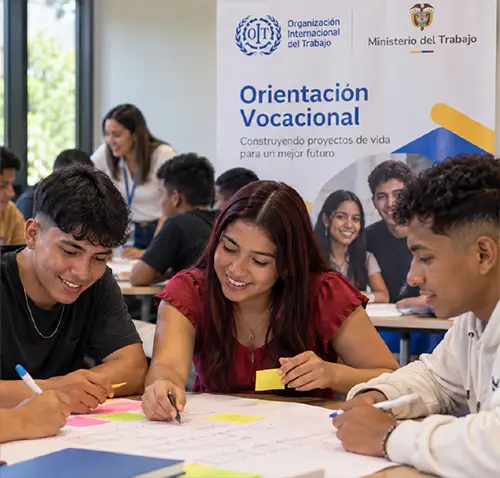
He reminds his students that previous generations didn’t have what they have now: access to technical training in programming, digital content creation and tools to build a life project through technology.
Yet challenges remain, particularly in the classroom. One of the most complex is language. In San Andrés, much of the population speaks Creole, and many do not speak Spanish, while some continental students speak Spanish but do not understand Creole “When I ask them to speak Spanish, some feel I’m taking away their right to express themselves in their language. But my intention is for them to also learn to communicate in Spanish, so they can understand the material and access more opportunities,”, he explains.
The SENATIC programme, being designed only in Spanish, can at times be exclusionary for Raizal students. For this reason, Keyn makes a strong effort to balance his teaching, adapting his methodology and explaining with respect for cultural identity. Some of his students come from areas where Raizal culture is deeply rooted, and for them, each class becomes a symbolic translation of language, of technology, of worldviews.
In addition to teaching, Keyn seeks to inspire. He wants his students’ stories to be heard for the country to understand the uniqueness of the island, its voices, its struggles and its talents. He knows that national progress is also built from the local, and that young people in San Andrés are not disconnected from the world they observe it with a different perspective.
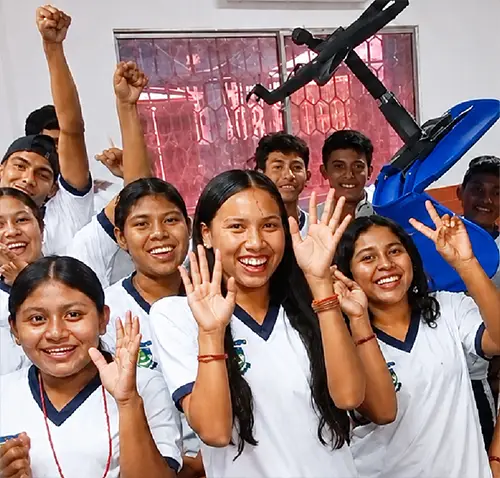
Through SENATIC, he has seen his students become more confident, more innovative and more engaged with opportunities that once seemed out of reach. And though the challenges are many, he is certain that this project must continue. “This can’t be allowed to end those coming after also have the right to learn, to grow and to dream.”.
From a corner of the Caribbean, Keyn Martínez teaches with warmth, with patience, and with the conviction that educating in one’s language and culture is not opposed to development it is the foundation that allows technology to flourish where once there was only silence.

Yet challenges remain, particularly in the classroom. One of the most complex is language. In San Andrés, much of the population speaks Creole, and many do not speak Spanish, while some continental students speak Spanish but do not understand Creole “When I ask them to speak Spanish, some feel I’m taking away their right to express themselves in their language. But my intention is for them to also learn to communicate in Spanish, so they can understand the material and access more opportunities,”, he explains.
The SENATIC programme, being designed only in Spanish, can at times be exclusionary for Raizal students. For this reason, Keyn makes a strong effort to balance his teaching, adapting his methodology and explaining with respect for cultural identity. Some of his students come from areas where Raizal culture is deeply rooted, and for them, each class becomes a symbolic translation of language, of technology, of worldviews.
In addition to teaching, Keyn seeks to inspire. He wants his students’ stories to be heard for the country to understand the uniqueness of the island, its voices, its struggles and its talents. He knows that national progress is also built from the local, and that young people in San Andrés are not disconnected from the world they observe it with a different perspective.
Through SENATIC, he has seen his students become more confident, more innovative and more engaged with opportunities that once seemed out of reach. And though the challenges are many, he is certain that this project must continue. “This can’t be allowed to end those coming after also have the right to learn, to grow and to dream.”.
From a corner of the Caribbean, Keyn Martínez teaches with warmth, with patience, and with the conviction that educating in one’s language and culture is not opposed to development it is the foundation that allows technology to flourish where once there was only silence.

Keyn Manuel Martínez is part of the group of more than 800 instructors continuing in 2025 under Line 1 of the SENATIC project a nationwide alliance between the Ministry of ICT, SENA and the ILO, aimed at young people in technical upper secondary education.